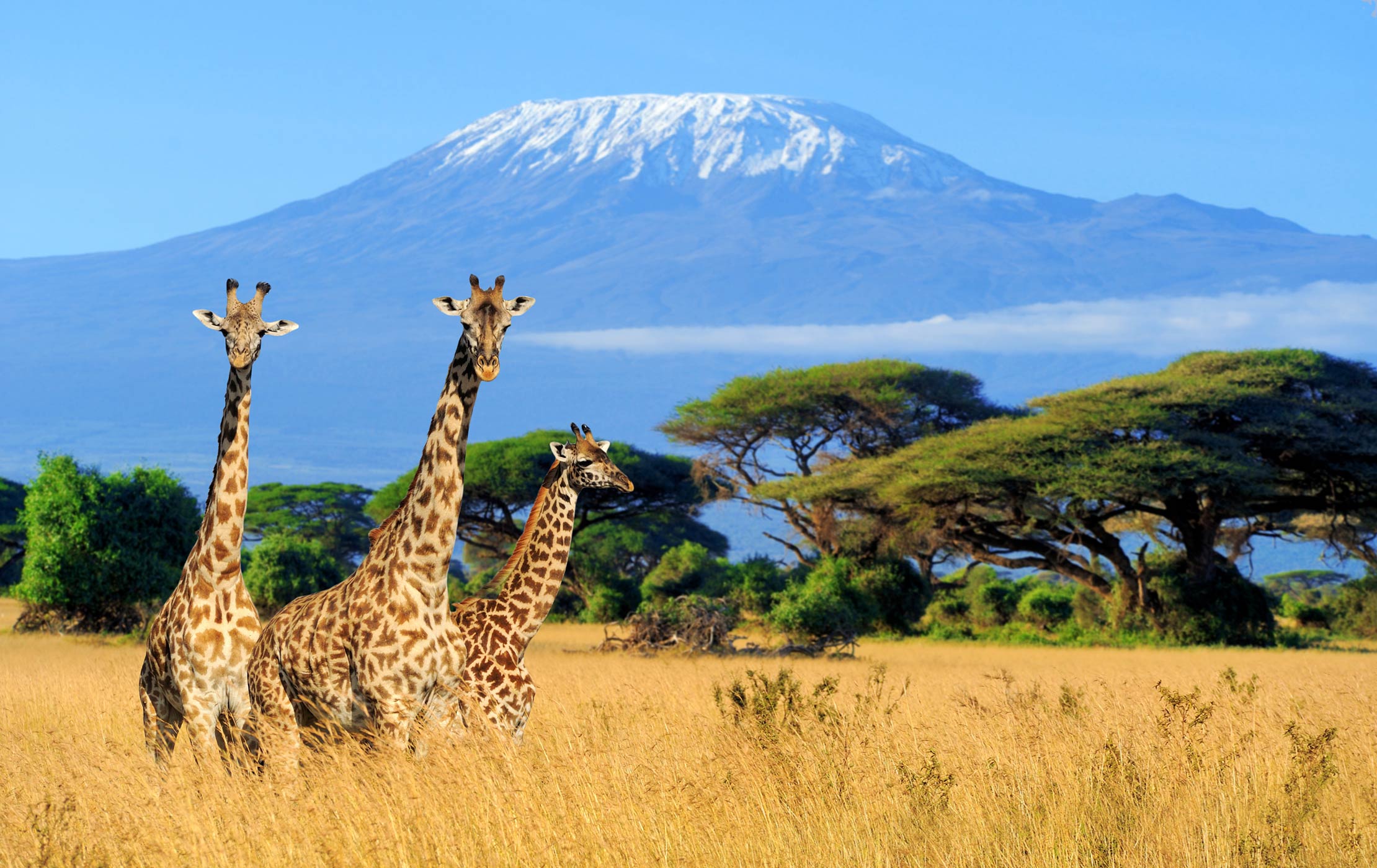
Mount Kilimanjaro National Park is one of Africa’s most iconic natural landmarks and a UNESCO World Heritage Site, home to the majestic Mount Kilimanjaro—the highest mountain in Africa and the tallest free-standing mountain in the world. Rising to an impressive 5,895 meters above sea level, Kilimanjaro dominates the northern Tanzanian landscape near the border with Kenya and is a premier destination for adventure tourism and mountain trekking.
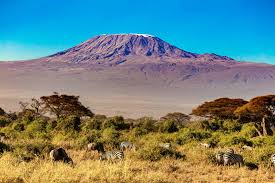
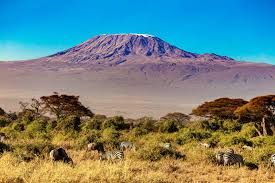
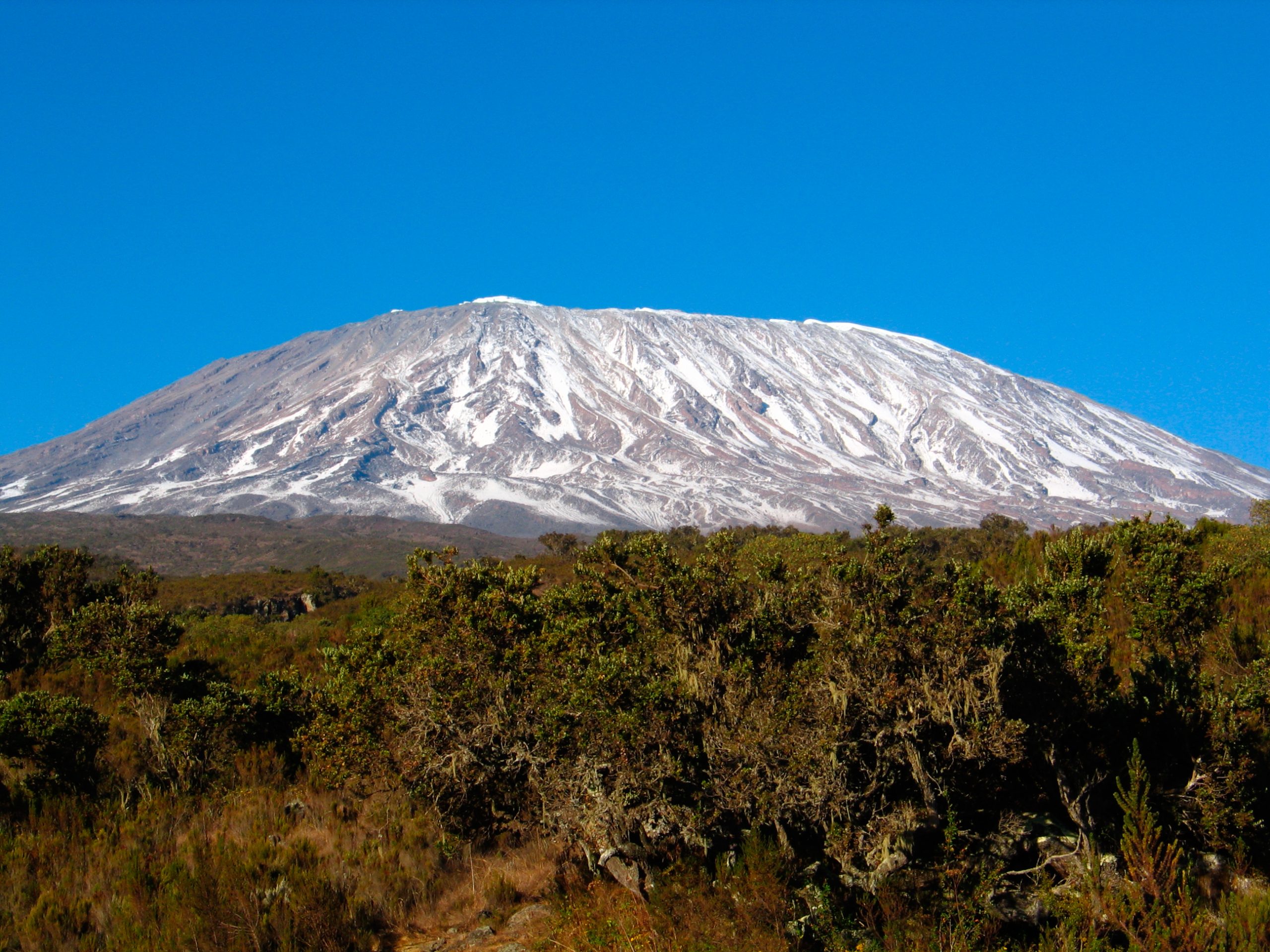
The name “Kilimanjaro” is often translated as “glittering mountain,” a reference to its snow-capped summit that contrasts dramatically with the surrounding plains. Despite being located just about 400 kilometers south of the equator, the mountain’s peak is covered with glaciers and eternal ice. On clear days, the breathtaking silhouette of Mount Kilimanjaro can be seen from over 160 kilometers away, making it one of the most recognizable природные landmarks in the world.
Originally designated as a protected area in 1921, Mount Kilimanjaro National Park was officially established in 1973 and opened to the public in 1977. The park protects a wide range of ecosystems, from cultivated farmland and lush rainforest to alpine desert and arctic summit conditions, offering a unique ecological journey as climbers ascend the mountain.
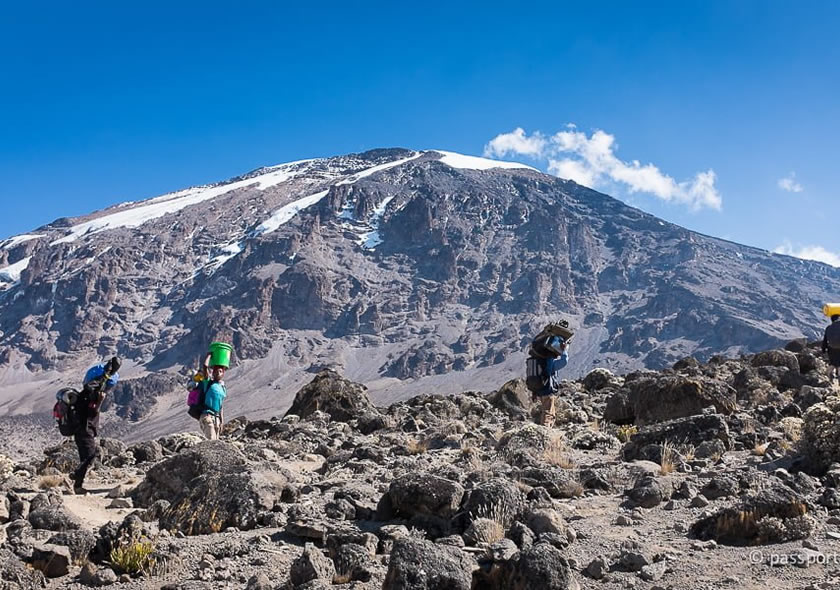
Climbing Mount Kilimanjaro is a once-in-a-lifetime experience and is considered one of the most accessible high-altitude treks in the world. Unlike many major peaks, reaching the summit does not require technical climbing skills or specialized mountaineering equipment, making it achievable for beginners with proper preparation and guidance. Thousands of trekkers attempt the climb each year, guided by experienced local guides and porters.
There are several established routes to the summit, each offering different scenery and levels of difficulty. The most popular routes include the Marangu Route, known for its gradual ascent and hut accommodations; the scenic Machame Route; the challenging Umbwe Route; the remote Shira Route; and the descent-focused Mweka Route. The Marangu Route is often preferred by beginners due to its relatively straightforward path.
The best time to climb Mount Kilimanjaro is during the dry seasons, from January to March and June to October, when weather conditions are more favorable and visibility is clear. Climbing during the rainy months of April, May, and November is generally discouraged due to slippery trails and limited views.
Mount Kilimanjaro National Park is not only a top trekking destination but also a hub for eco-tourism, wildlife viewing, and cultural experiences with local communities. Whether you are seeking adventure, breathtaking landscapes, or a personal challenge, Mount Kilimanjaro offers an unforgettable journey to the “Roof of Africa.”