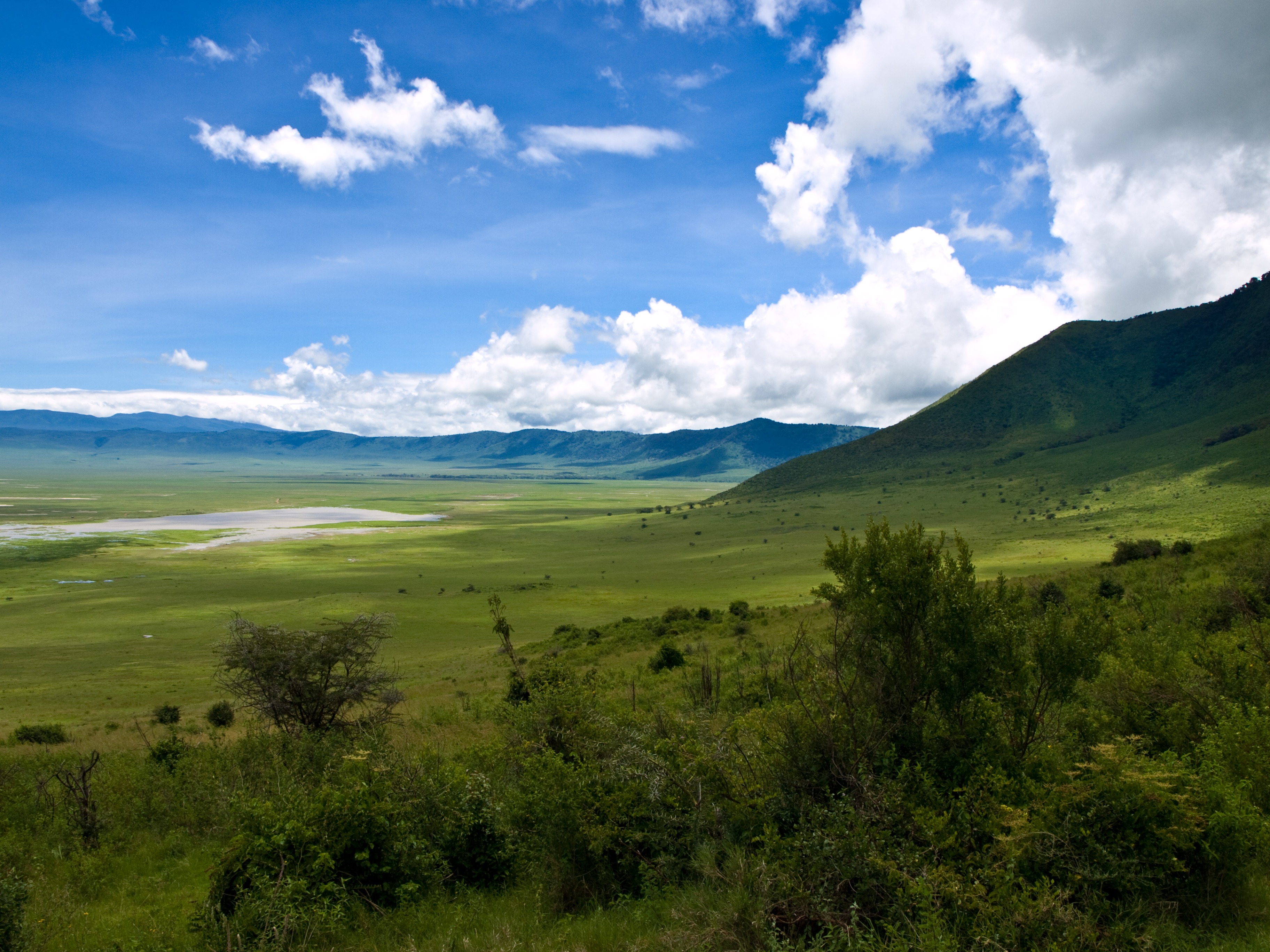
Ngorongoro Conservation Area is one of Africa’s most extraordinary wildlife destinations, located approximately 185 kilometers from Arusha in northern Tanzania. Established as a protected area in 1959 and designated a UNESCO World Heritage Site in 1979, Ngorongoro is globally recognized for its unique blend of wildlife conservation, breathtaking landscapes, and rich archaeological significance.
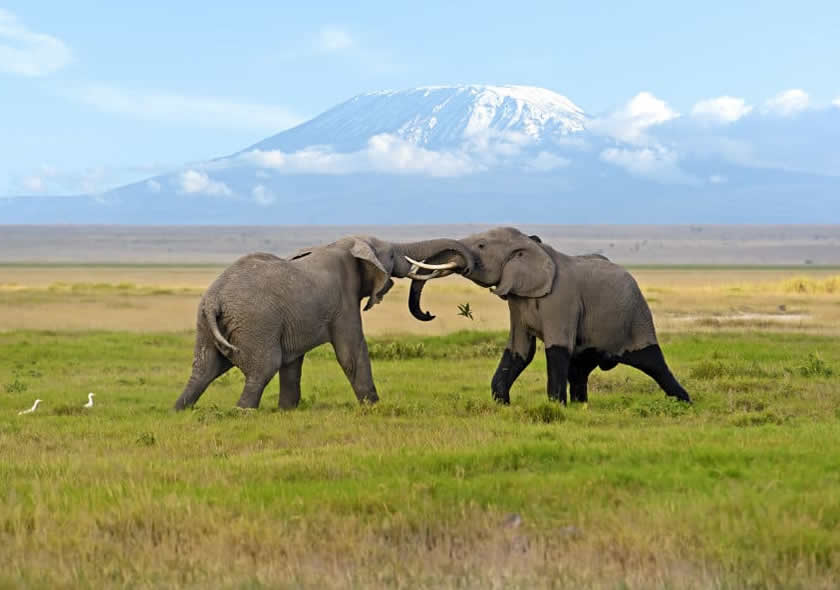
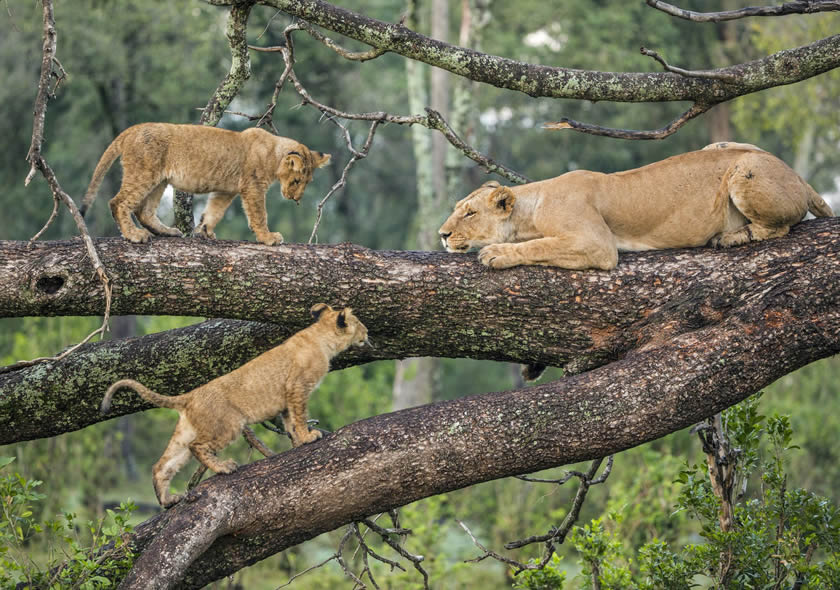
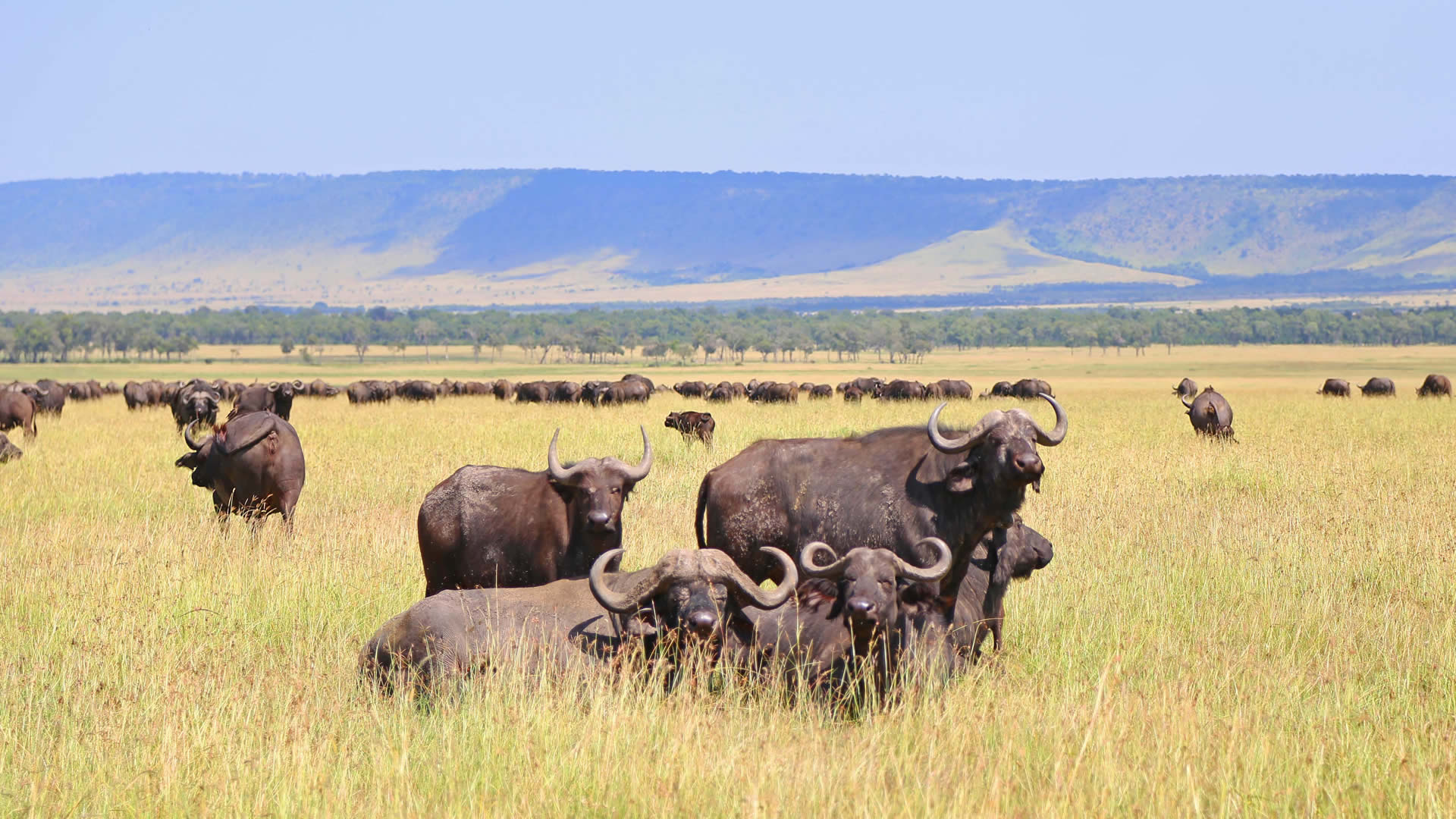
At the heart of the conservation area lies the world-famous Ngorongoro Crater, the largest intact and inactive volcanic caldera on Earth. This प्राकृतिक wonder forms a natural enclosure that supports a dense concentration of wildlife, making it one of the best places in Africa for safari game drives and wildlife viewing. The crater floor is home to over 25,000 animals, including the iconic Big Five—lion, elephant, buffalo, leopard, and the critically endangered black rhinoceros.
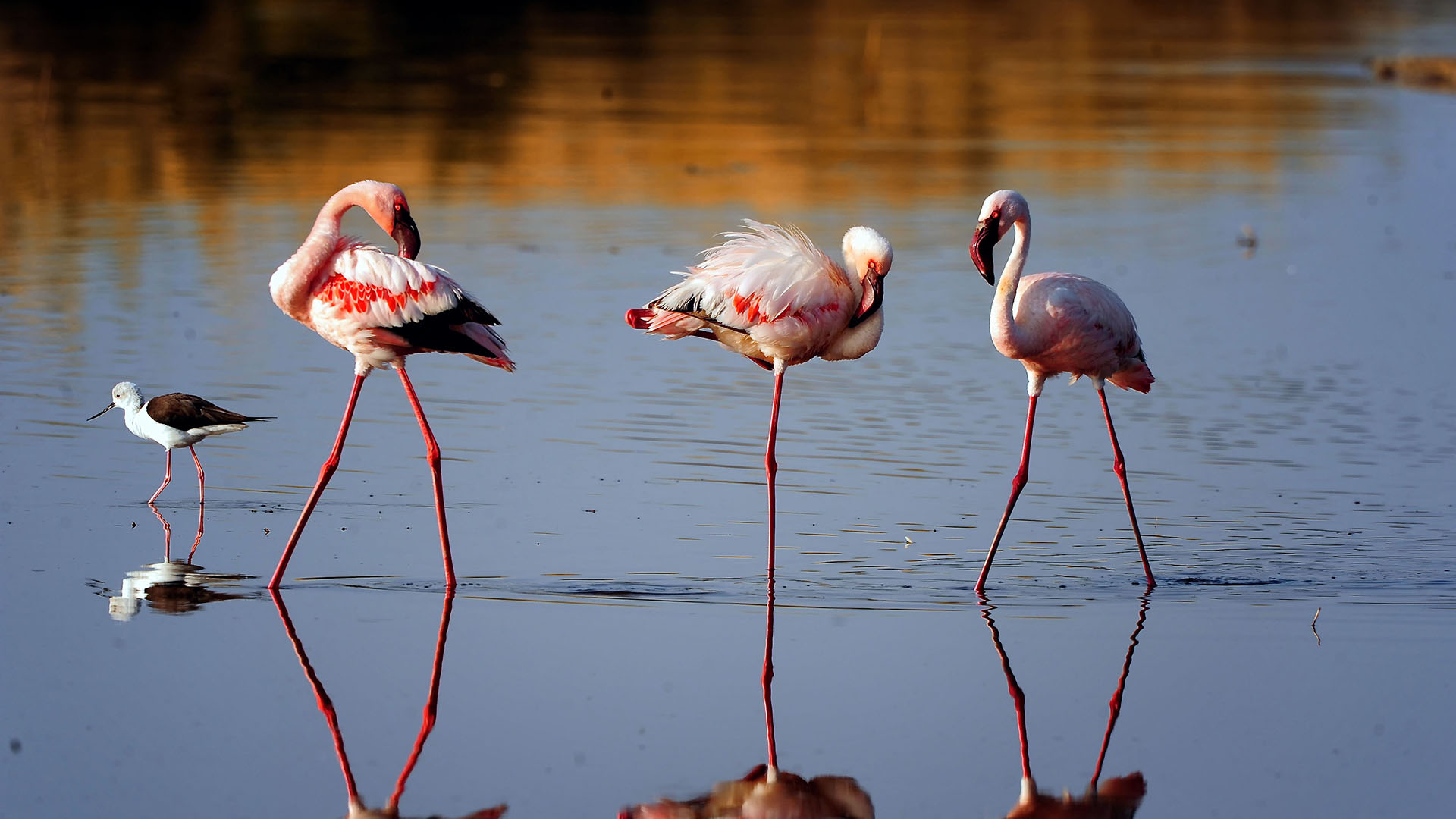
Visitors to Ngorongoro Conservation Area can experience a diverse ecosystem that includes grasslands, swamps, forests, and alkaline lakes. Wildlife sightings are abundant, with species such as blue wildebeests, Grant’s gazelles, Thomson’s gazelles, waterbucks, impalas, giraffes, topis, crocodiles, cheetahs, and African wild dogs thriving within the region. The scenic Lake Magadi, located on the crater floor, is famous for its large flocks of lesser flamingos, adding to the area's spectacular biodiversity and appeal for birdwatching.
Beyond its wildlife, Ngorongoro Conservation Area is also a site of immense historical and scientific importance. It protects the renowned Olduvai Gorge, often referred to as the “Cradle of Mankind.” This steep-sided ravine in the Great Rift Valley has yielded some of the earliest known fossils of human ancestors, including Homo habilis and Paranthropus boisei, making it a key site for understanding human evolution and prehistoric life.
Ngorongoro offers visitors a truly unique safari experience, combining wildlife, culture, and history in one destination. The best time to visit is during the dry season from June to September, when the scenery is lush, wildlife viewing is exceptional, and game drives within the crater are at their most rewarding.
With its dramatic landscapes, dense wildlife population, and unparalleled archaeological significance, Ngorongoro Conservation Area remains a top travel destination for African safaris, eco-tourism, and cultural exploration.
The largest intact caldera on Earth, forming a natural enclosure for wildlife.
Misty mornings and lush vegetation create an ethereal, almost magical atmosphere.
Over 25,000 large animals live within the 260 km² crater floor.
Explore the wonders of Ngorongoro Crater with Rovic Tours. Our expert guides ensure an unforgettable experience in this remarkable ecosystem.